07802 673292

Our Work

Real jobs from across Northern Ireland: what was happening, and how we found it.

Damp walls: finding the source

Peeling paint, bubbling plaster and damp at skirting level are common signs of water getting into a wall. A moisture meter and thermal imaging help show where it is coming from before anything is opened up.
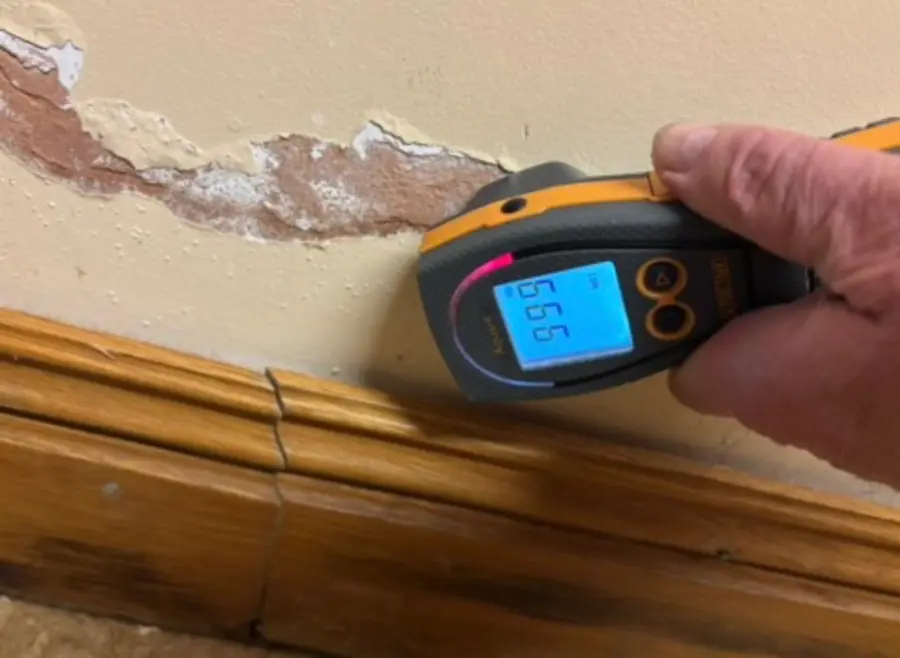
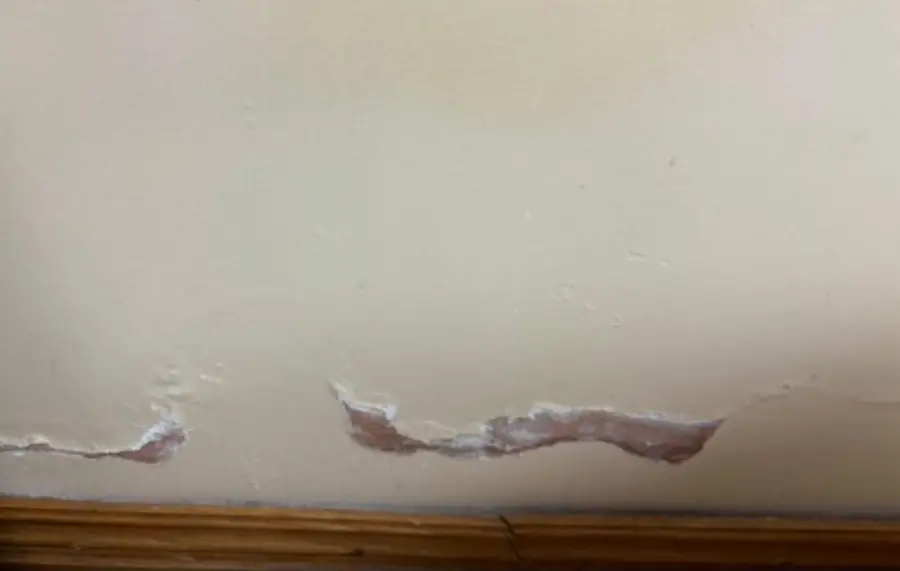
Moisture meter held against peeling paint above a skirting board
Checking a damp wall
Peeling paint and plaster at the base of a wall
Paint and plaster lifting at skirting level
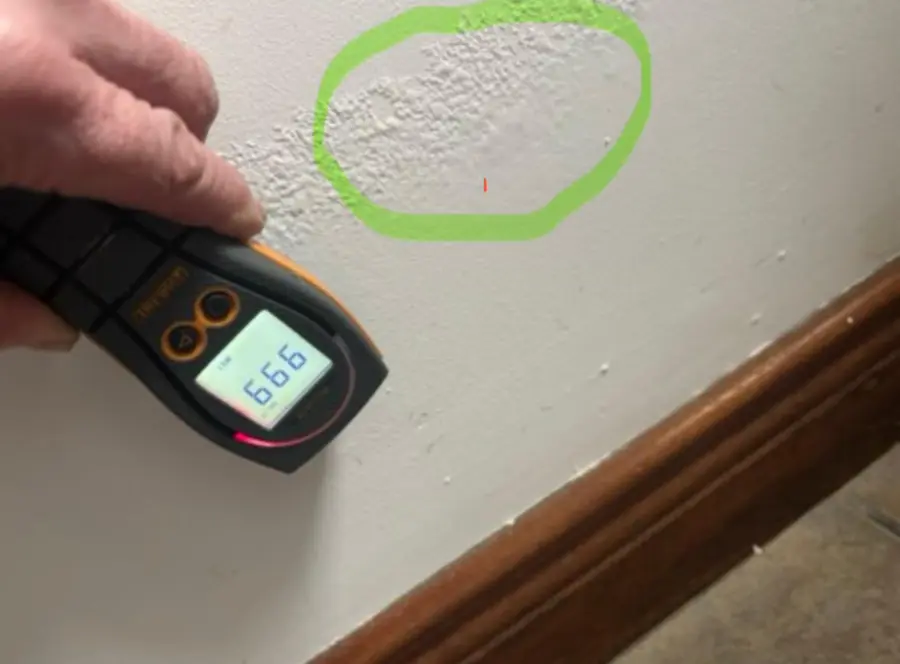
Moisture meter beside a damp patch marked with a green circle
The damp area marked on the wall
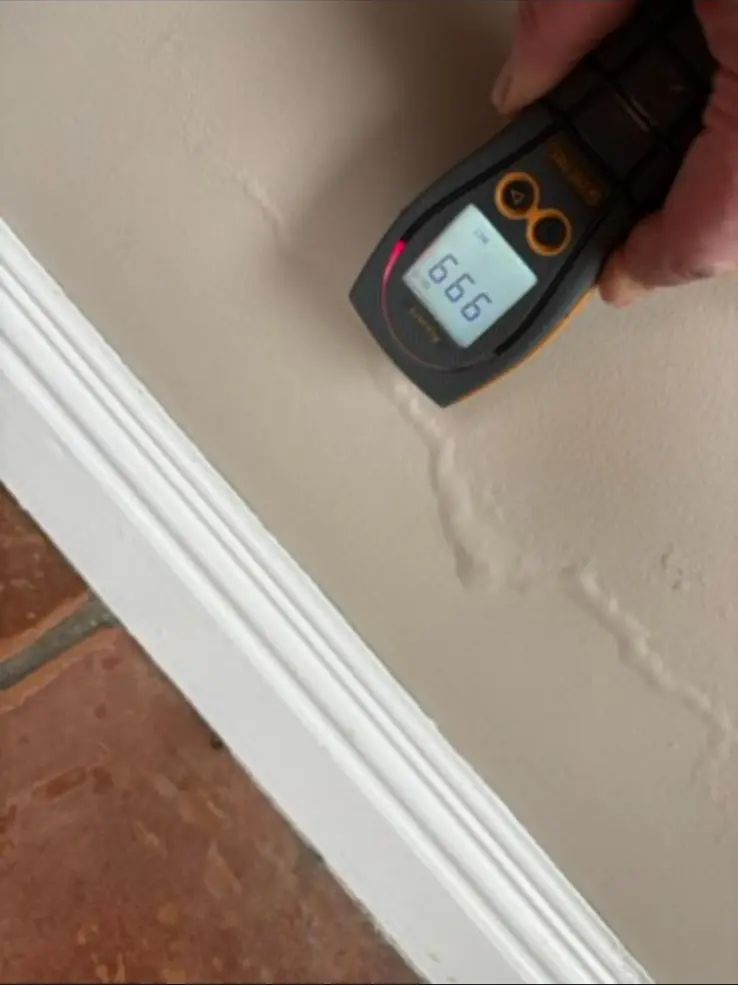
Moisture meter on a wall above a white skirting board
Reading the wall above the skirting

Leak under a kitchen floor: before and after

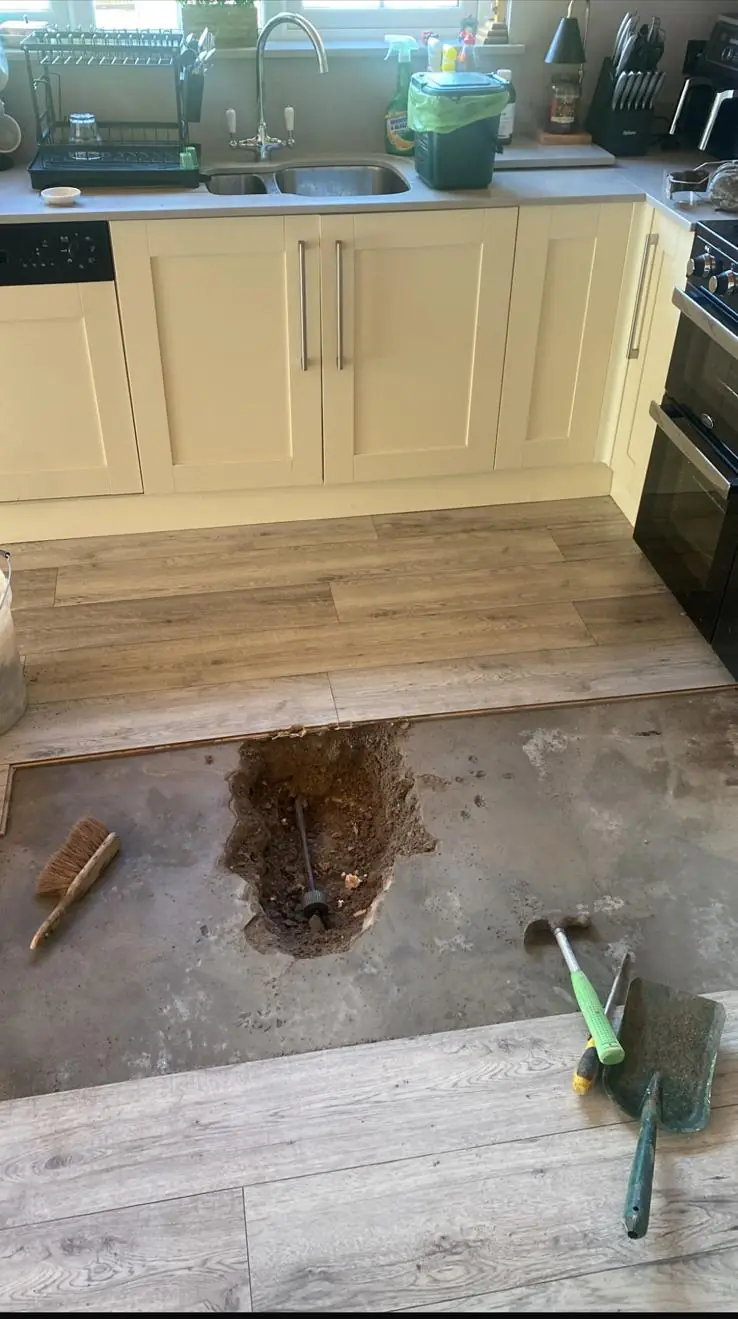
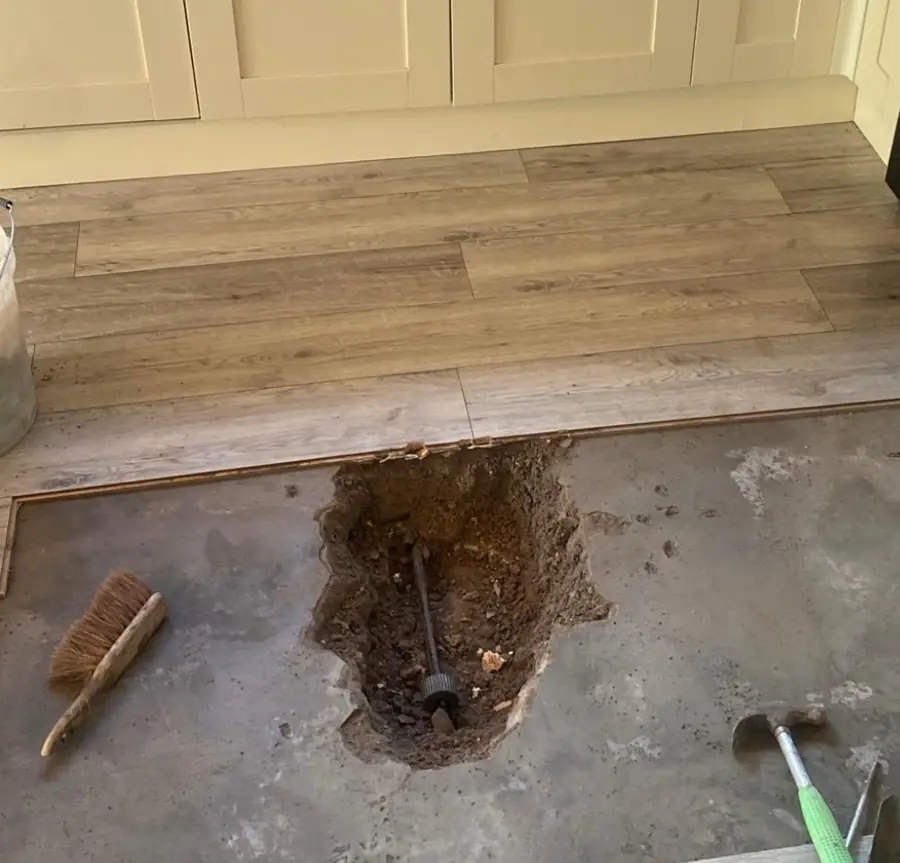
Once the leak was pinpointed and marked on the floor, the floor was opened up at that spot to reach the pipe.
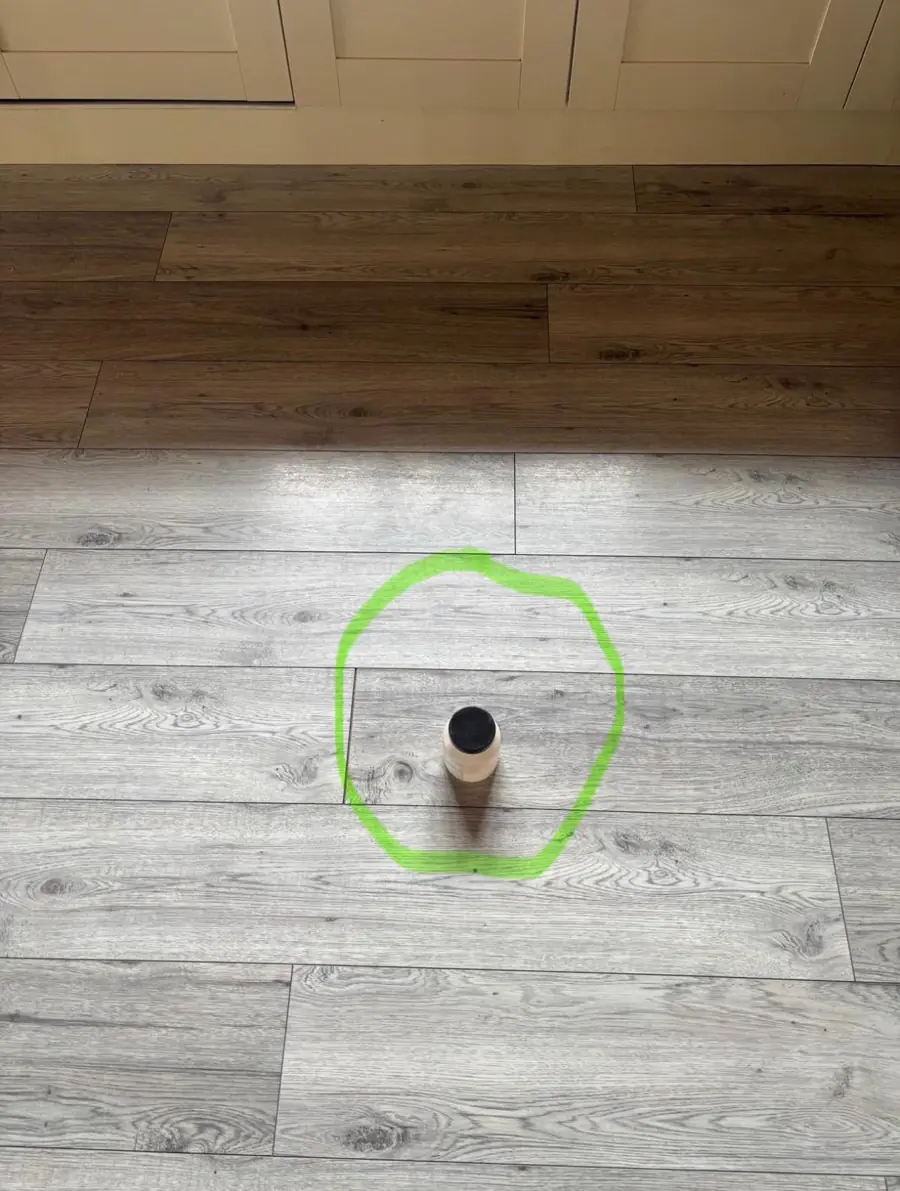
BEFORELaminate floor with the leak location marked by a green circle
The leak location marked on the floor
AFTERKitchen floor opened up at the marked spot, with the pipe exposed in the hole
Floor opened up at the marked spot to expose the pipe
Wider view of the kitchen with the opened floor and tools beside it
Wider view of the opened floor

Leak under a concrete floor: checked before digging

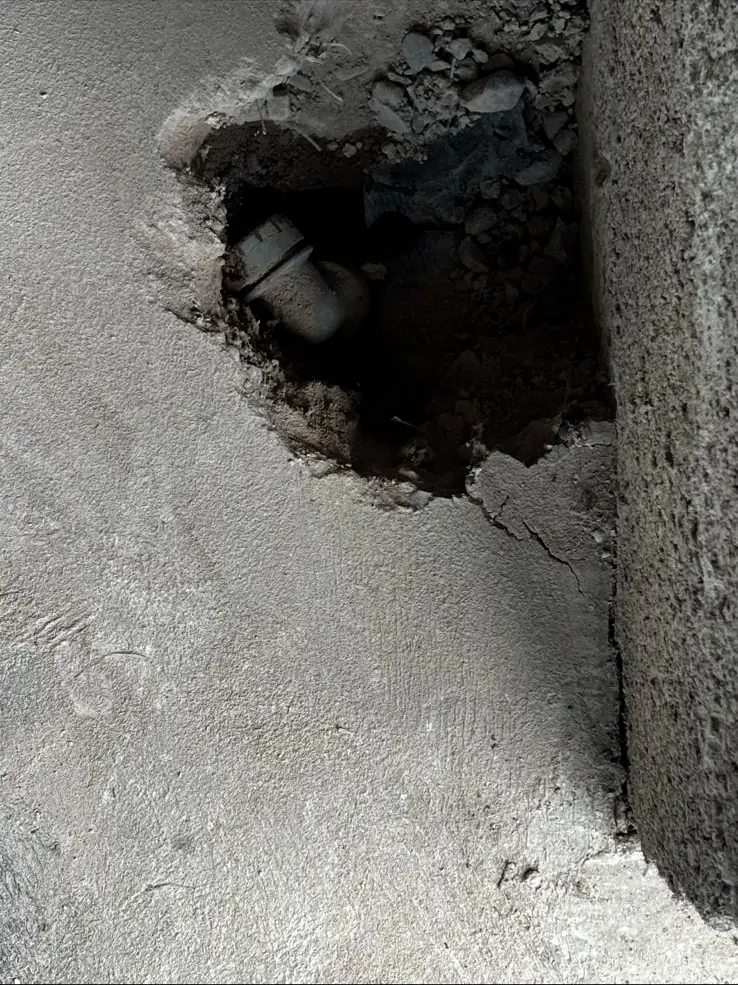
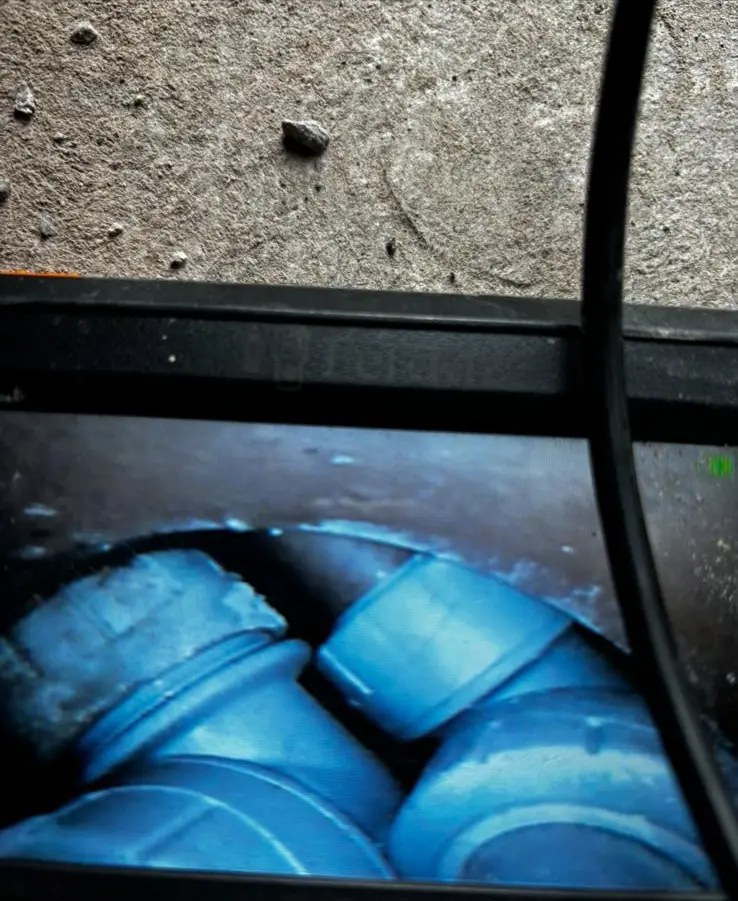
A thermal camera showed a warm area at the marked spot. A small hole, just big enough for an endoscopic camera, was drilled to check the fittings before any digging. The concrete was then opened up at the exact spot.
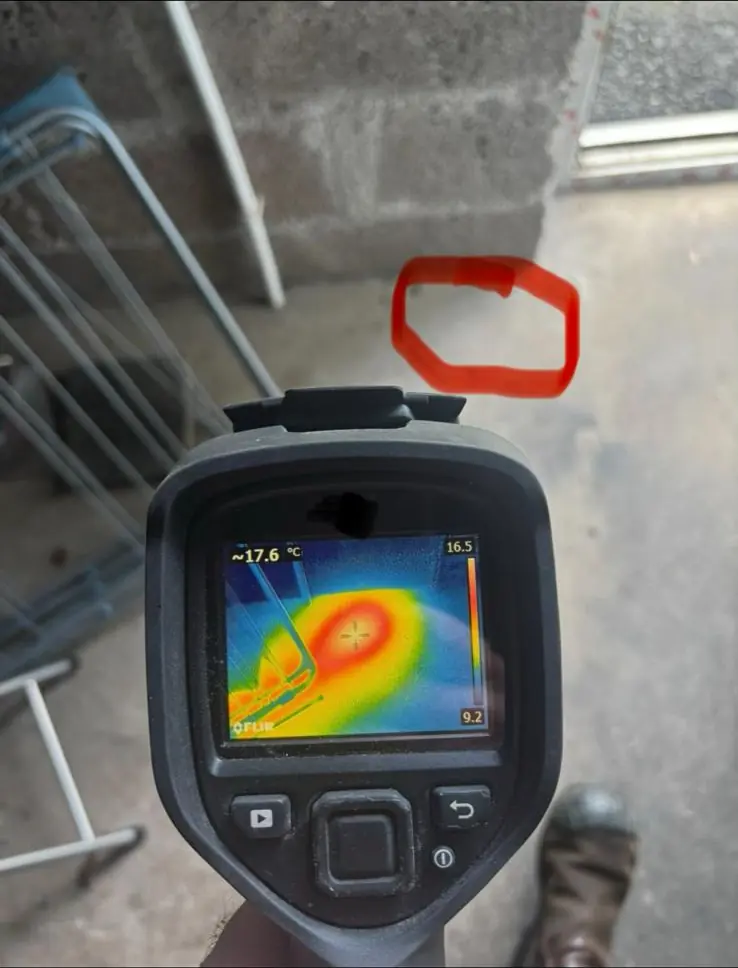
STEP 1Thermal camera showing a warm area on a concrete floor, circled in red
Thermal camera showing a warm area at the marked spot
STEP 2Endoscopic camera screen showing blue pipe fittings
Endoscopic camera checking the fittings through a small drilled hole
STEP 3Concrete floor opened up to expose a pipe fitting
The concrete opened up at the exact spot to expose the fitting
Video: the pipe fitting that had blown off under pressure
CallWhatsApp